 Governments of the United States and Japan are weighing a plan to steer part of a $550 billion investment package into synthetic diamond production on American soil, with the goal of securing critical technology supply chains, according to media reports.
The project would center on a new synthetic diamond plant in the United States that could be among the first investments unveiled under Tokyo’s massive package of financing for U.S.-based projects. Behind the scenes, officials see it as a quiet but important move to reduce dependence on China, which currently dominates global production of these industrial diamonds and has started tightening export controls on them.
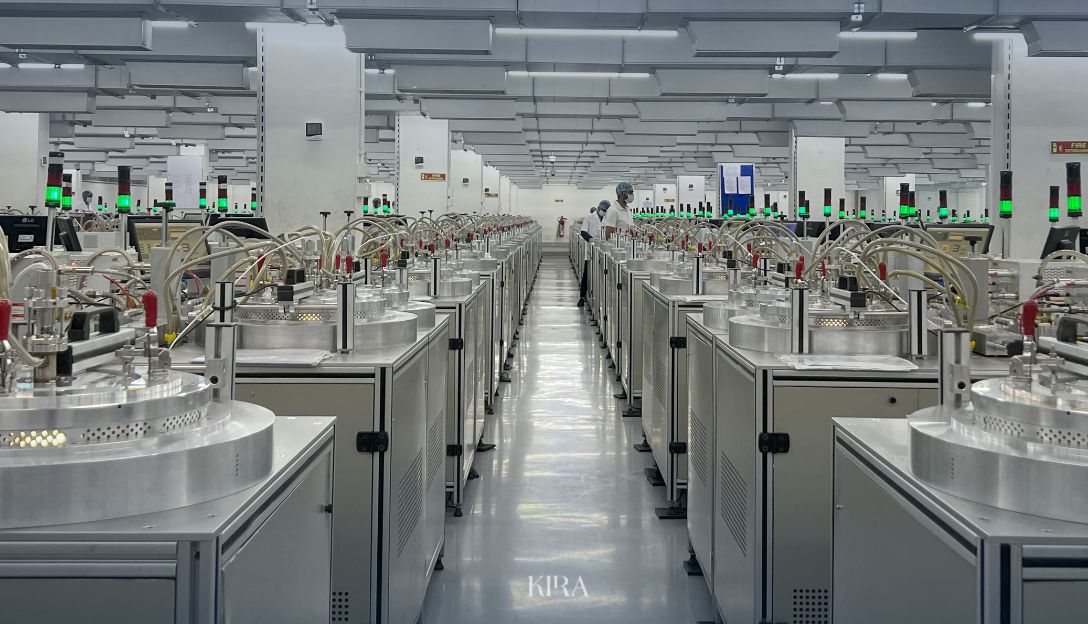
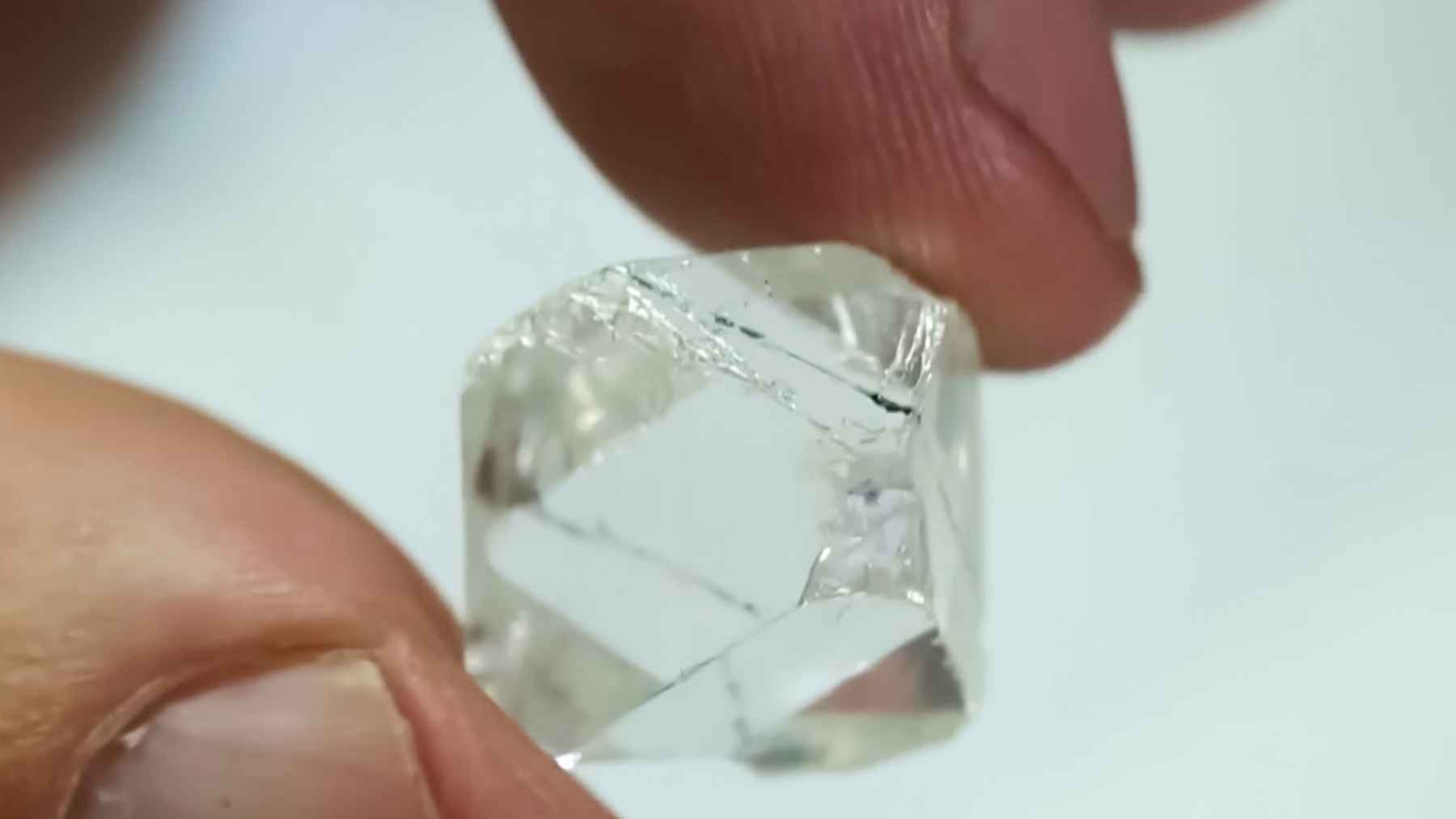
Synthetic diamonds are lab-grown crystals that share the same structure as natural diamonds, but they are designed for factories rather than jewelry stores. Because diamond is one of the hardest known materials, these crystals are used to polish silicon wafers, machine tough metals and ceramics, and keep advanced chips from overheating.
In simple terms, they help shape and cool the components that make your smartphone work, keep data centers humming, and support high-end gear in hospitals and factories. The same properties also make them useful in sensitive equipment such as radar systems and certain types of specialized ammunition, which gives the material clear military relevance as well.
That strategic mix explains why Washington and Tokyo are so worried about relying on a single foreign supplier. When a key ingredient for chips can suddenly become harder to export, governments start looking for backup plans.
The synthetic diamond plant is one of several candidate projects inside Japan’s huge $550 billion commitment to invest and provide financing in the U.S. under a recent trade deal that also cuts tariffs on Japanese exports. According to reporting by Tamiyuki Kihara and Makiko Yamazaki, the plan would combine equity, loans, and loan guarantees rather than a single pot of cash.
Funding support is expected from state-backed agencies such as the Japan Bank for International Cooperation and Nippon Export and Investment Insurance, which already help Japanese firms expand abroad in sectors seen as vital for economic security. Their own material describes how they underwrite investments and insure companies against political and economic shocks in foreign markets, which fits the high stakes nature of chip and materials projects.
On the corporate side, industrial diamond specialist Element Six, part of De Beers Group, has been identified as a potential partner for the facility, though no formal deal has been signed so far. Other proposed projects in the same first wave include a power generation venture with conglomerate Hitachi and a large data center linked to SoftBank Group, underscoring how broad the package could become.
 Share
Share